


Perimenopause is the natural stage before menopause when hormone levels begin to fluctuate and gradually decline. It often starts in a woman’s 40s and may last several years before periods stop completely. During this time, many women notice irregular cycles, sleep disruption, mood shifts, weight gain, and a lower tolerance for stress. It can feel unsettling when your body no longer responds the way it used to.
At The Wellness Way, perimenopause is viewed as a normal biological transition. When the systems that influence hormone balance are supported, women often feel steadier, clearer, and more in control during this phase of life.
What Is Perimenopause?
Perimenopause is the stage before menopause. It is when hormone levels begin to change.
The word means “around menopause.”
This phase happens before periods stop permanently.
During perimenopause:
- Estrogen levels fluctuate
- Progesterone levels decline
- Ovulation becomes irregular
- The menstrual cycle becomes unpredictable
Hormones do not drop in a straight line.
They rise.
They fall.
They shift month to month.
This is why symptoms can feel sudden and intense.
Perimenopause ends when you have gone 12 consecutive months without a period.
That is menopause.
Perimenopause is not a disease.
It is a biological transition.
For many women, the shock is not that it happens.
The shock is how unprepared they feel when it does.
When Does Perimenopause Start?
Perimenopause usually begins in a woman’s 40s, most commonly between ages 40 and 44. For some women, hormone changes can begin in the late 30s. Others may not notice shifts until their mid-40s.
This phase often starts years before menopause is officially reached. Menopause is confirmed after 12 consecutive months without a menstrual period. Perimenopause is the time leading up to that point.
In some cases, menopause happens earlier than expected.
- Early menopause refers to menopause before age 45
- Premature menopause means menopause before age 40
Several factors may influence when perimenopause begins, including:
- Family history
- Smoking
- Autoimmune conditions
- Surgical removal of the ovaries
- Certain cancer treatments
Every woman’s timeline is different. It is important to recognize early changes, so support can begin before symptoms intensify.
How Long Does Perimenopause Last?
Perimenopause is not a quick phase.
It can last several years before you reach menopause.
For most women, the average length of perimenopause is about four years.
For some, it may be shorter.
For others, it can last eight to ten years.
There is no fixed timeline.
You officially reach menopause once your periods stop permanently. Until that point, you are still in perimenopause.
The reason this matters is simple. If symptoms begin at age 40, you could be in this transition for much of your 40s. That is why early awareness changes everything.
What Causes Perimenopause?
Perimenopause is caused by natural changes in ovarian function as a woman ages.
As you approach menopause, the ovaries begin producing less estrogen and progesterone. Some months are higher. Some months drop sharply. This instability is what leads to many perimenopause symptoms.
These hormonal shifts affect:
- The menstrual cycle
- Ovulation patterns
- Brain chemistry
- Body temperature regulation
- Sleep cycles
- Metabolism
Perimenopause is the transition to menopause. It is not triggered by one single event. It happens because the body is gradually reaching the end of its reproductive years.
In some cases, menopause may occur earlier due to:
- Surgical removal of the ovaries
- Certain cancer treatments
- Autoimmune conditions
- Genetic factors
This is known as early menopause or premature menopause.
For most women, however, perimenopause is a natural biological process. The difficulty comes from how the body responds to shifting hormone levels during this phase.
Why Perimenopause Symptoms Feel Unpredictable
During perimenopause, estrogen and progesterone change unpredictably before gradually lowering over time.
These fluctuations affect multiple systems in the body, including:
- Brain chemistry
- Stress adaptability
- Sleep cycles
- Blood sugar balance
- Temperature regulation
- Muscle and joint recovery
- Immune balance
- Gut function
Because hormone levels shift month to month, symptoms may also change month to month. This is why some cycles feel manageable while others feel overwhelming.
This instability is why perimenopause can feel sudden. Many women are surprised by how different their bodies feel, especially if the strategies that once worked no longer do.
Symptoms of Perimenopause
Perimenopause symptoms develop as estrogen levels fluctuate and gradually decline. These hormone shifts affect the menstrual cycle, brain chemistry, temperature regulation, metabolism, and sleep.
Symptoms may come and go. Some women experience mild changes. Others notice symptoms that significantly affect daily life.
Changes in Your Menstrual Cycle
Changes in your period are often the first sign of perimenopause. Ovulation becomes less predictable, which affects timing and flow.
- Irregular periods: Cycles may become shorter, longer, heavier, lighter, or skipped entirely.
- Changes in menstrual flow: Bleeding patterns may vary from month to month.
- Long gaps between periods: Going 60 days or more between cycles can indicate later-stage perimenopause.
Tracking changes in your menstrual cycle helps identify the transition to menopause.
Vasomotor Symptoms (Night Sweats and Hot Flashes)
Vasomotor symptoms (VMS) are commonly known as hot flashes and night sweats. They are among the most recognized perimenopause symptoms.
Estrogen helps regulate body temperature. When estrogen levels fluctuate, the body’s heat control system can become unstable.
- Hot flashes: Sudden waves of heat, flushing, or sweating that may last seconds or several minutes.
- Night sweats: Hot flashes that occur during sleep and can interrupt rest.
These symptoms may range from mild warmth to intense episodes and can vary in frequency throughout perimenopause.
Mood and Cognitive Changes
Hormone levels influence neurotransmitters that regulate mood and focus. As they shift, emotional and mental symptoms may appear.
- Mood changes during perimenopause: Irritability, anxiety, or emotional sensitivity.
- Brain fog: Slower thinking, forgetfulness, or difficulty concentrating.
- Low motivation: Everyday tasks may feel harder to start or complete.
These symptoms are common during the menopause transition and are often linked to fluctuating hormone levels.
Sleep Disturbances
Sleep problems often begin during perimenopause, even before menopause is reached.
- Trouble falling asleep: Difficulty winding down at night.
- Waking between 1-4 AM: A common pattern during hormone shifts.
- Unrefreshing sleep: Sleeping enough hours but still feeling tired.
Poor sleep can intensify other symptoms, including mood swings and weight gain.
Physical and Metabolic Changes
Estrogen plays a role in metabolism, inflammation, and muscle recovery. As levels decline, the body may respond differently to stress, food, and exercise.
- Weight gain: Often around the midsection, even without major lifestyle changes.
- Joint stiffness or aches: Connective tissues may feel tighter or more inflamed.
- Headaches or migraines: Frequently linked to hormone fluctuations.
These changes can feel frustrating, but are common during perimenopause.
Vaginal and Urinary Changes
Lower estrogen levels affect tissue elasticity and moisture.
- Vaginal dryness: Discomfort or pain during intercourse.
- Increased urinary urgency: Needing to urinate more frequently.
- Higher risk of infections: Changes in tissue health can increase susceptibility.
These symptoms are often overlooked but are part of the broader menopause transition.
Nervous System and Stress Response
Estrogen supports stress regulation and nervous system balance. When hormone levels fluctuate, stress tolerance can shift.
- Lower stress tolerance: Situations that once felt manageable may feel overwhelming.
- Feeling overstimulated: Noise or multitasking may feel harder to handle.
- Slower recovery after stress: It may take longer to feel calm again.
This does not reflect weakness. It reflects changing hormone levels and nervous system adaptation.
Symptom intensity often varies throughout this phase. Some women experience mild changes, while others notice physical and emotional symptoms that affect daily life. If these changes feel confusing or disruptive, you are not imagining them. Hormone levels are shifting, and the body is adjusting in real time.
Perimenopause Period
Changes in your menstrual period are often the first sign of perimenopause. As ovulation becomes less predictable, your menstrual cycle may no longer follow a consistent pattern.
During perimenopause, you may notice:
- Irregular periods: Cycles may become shorter, longer, or unpredictable.
- Heavier or lighter bleeding: Flow may vary from month to month.
- Skipped periods: Missing a cycle does not automatically mean menopause.
- Worsening PMS: Cramping, mood shifts, or breast tenderness may feel stronger.
If you are still having a menstrual period, even an irregular one, you may still be ovulating. Menopause is confirmed once periods have stopped permanently.
You should contact a healthcare provider if you experience:
- Bleeding between periods
- Bleeding after sex
- Periods lasting much longer than usual
- Extremely heavy bleeding requiring pad or tampon changes every one to two hours
These symptoms may require evaluation to rule out other health conditions.
Perimenopause vs Menopause
Perimenopause and menopause are related, but they are not the same.
Perimenopause is the transitional phase before menopause. Hormone levels fluctuate, and symptoms may begin.
Menopause is reached after 12 consecutive months without a menstrual period. At that point, ovarian hormone production has significantly declined.
- Perimenopause: Hormone levels fluctuate, periods are irregular, and pregnancy is still possible.
- Menopause: Periods have stopped completely for one year.
Perimenopause vs Premenopause
Premenopause refers to the reproductive years before any menopausal transition begins. Hormone levels follow a predictable monthly cycle, and ovulation occurs regularly.
Perimenopause is the phase leading up to menopause, when hormone levels begin to fluctuate, and cycles become irregular.
In simple terms:
- Premenopause: Regular menstrual cycles and stable hormone patterns.
- Perimenopause: Irregular cycles and shifting hormone levels.
These terms are sometimes confused, but they describe different stages of reproductive life.
Pregnancy During Perimenopause
Yes, you can get pregnant during perimenopause.
As long as you are still having periods, even irregular ones, ovulation may still occur. This means pregnancy remains possible until menopause is reached.
Fertility declines during perimenopause, but it does not disappear immediately.
If you do not wish to become pregnant, use contraception until menopause is confirmed, since pregnancy can still occur, and early signs may resemble perimenopause symptoms.
Managing Perimenopause Symptoms Naturally
Perimenopause is a natural stage of life, but that doesn’t mean the symptoms should simply be put up with. By supporting the body’s core systems, it’s possible to ease symptom intensity and maintain greater balance throughout the transition.
Small, consistent adjustments often make a noticeable difference.
Strengthen Metabolic Efficiency
As hormone levels fluctuate, blood sugar balance and fat distribution can change. Many women notice increased weight gain, especially around the midsection.
How to support metabolic stability:
- Eat protein at each meal
- Include healthy fats
- Choose whole, mineral-rich foods
- Reduce excessive alcohol and refined sugar
Stabilizing blood sugar can improve energy, mood, and long-term heart health.
Improve Muscle-Bone Connectivity
Declining estrogen levels affect bone density and muscle mass. Strength training becomes increasingly important during perimenopause.
How to protect bone and muscle health:
- Include resistance training
- Walk regularly
- Allow recovery days between intense workouts
Preserving muscle supports metabolism, mobility, and long-term independence.
Establishing a Consistent Sleep Schedule
Sleep disturbances are common during perimenopause. Supporting sleep helps regulate stress hormones and reduce fatigue.
How to improve sleep patterns:
- Keep consistent sleep and wake times
- Limit bright light and screens at night
- Get natural light exposure early in the day
Better sleep reduces the intensity of many perimenopausal symptoms.
Regulate Stress Response
The nervous system becomes more sensitive during perimenopause. Chronic stress can worsen mood changes, weight gain, and sleep disruption.
How to support stress regulation:
- Schedule true downtime each week
- Practice breathing or quiet reset time
- Set boundaries around overcommitment
Lowering stress load supports hormone balance.
Improve Your Gut Microbiome
Reducing inflammation, improving microbiome balance, and supporting nutrient absorption during this window can improve how you feel for decades, especially when you focus on healing your gut naturally.
How to support digestive health:
- Eat vegetables for fiber
- Include bitter foods
- Stay hydrated
- Support regular bowel movements
Reducing inflammation may ease several physical and emotional symptoms.
Emotional Regulation During Perimenopause
As hormone levels stabilize after menopause, many women report improved clarity and steadier mood.
During perimenopause, building sustainable routines can help maintain balance.
- Prioritize recovery as much as productivity
- Build routines that support consistency over intensity
- Create space for personal goals, hobbies, and interests
Intentional support during this phase can influence long-term health outcomes.
The Wellness Way Approach to Perimenopause
At The Wellness Way, care focuses on understanding how your body is functioning as a whole.
Rather than looking only at hormone levels, we evaluate the systems that influence how hormones are produced, metabolized, and used.
Assessment may include:
- Inflammatory markers
- Blood sugar regulation
- Thyroid function
- Iron status
- Vitamin D levels
- Hormone metabolism patterns
When these systems are supported, the body may adapt more efficiently during the menopause transition.
Care plans are built around individual findings to support metabolic stability, stress regulation, sleep quality, and healthy hormone processing during this stage of life.
Hormone Replacement Therapy (HRT)
We help women naturally through this phase and do not often recommend Hormone Replacement Therapy. Perimenopause is designed to be a time when hormone levels gradually decline. This is an expected part of aging.
The goal during this phase is not to force hormone levels higher, but to help the body use, process, and clear hormones efficiently while supporting the systems that influence how you feel day to day.
An important focus during this time is not only how much hormone is present, but also:
- How your body is making hormones
- How are you breaking them down and clearing them
- How stress influences hormone signaling
- Whether inflammation is interfering with hormone receptors
- Whether blood sugar swings are disrupting hormone balance
- Whether thyroid function is slowing metabolism and hormone signaling
- Whether gut health is affecting hormone recycling and inflammation
When these systems are supported, many women find their symptoms improve — even while hormone levels are naturally declining.
Testing can help guide this process. Looking at inflammation, thyroid function, nutrient levels, stress hormones, blood sugar regulation, and hormone metabolism pathways helps identify what is actually driving symptoms instead of assuming it is only about hormone levels themselves.
The goal is to help the body move through this transition smoothly, supporting metabolic health, nervous system balance, gut function, and detox pathways so hormones can do their job efficiently during this natural phase of life.
Testing blood and urine hormones can help us see:
- How are you making hormones
- How are you breaking down estrogens
- Whether stress hormones are affecting hormone balance
- Whether detox pathways need support
Chiropractic Care for Perimenopause
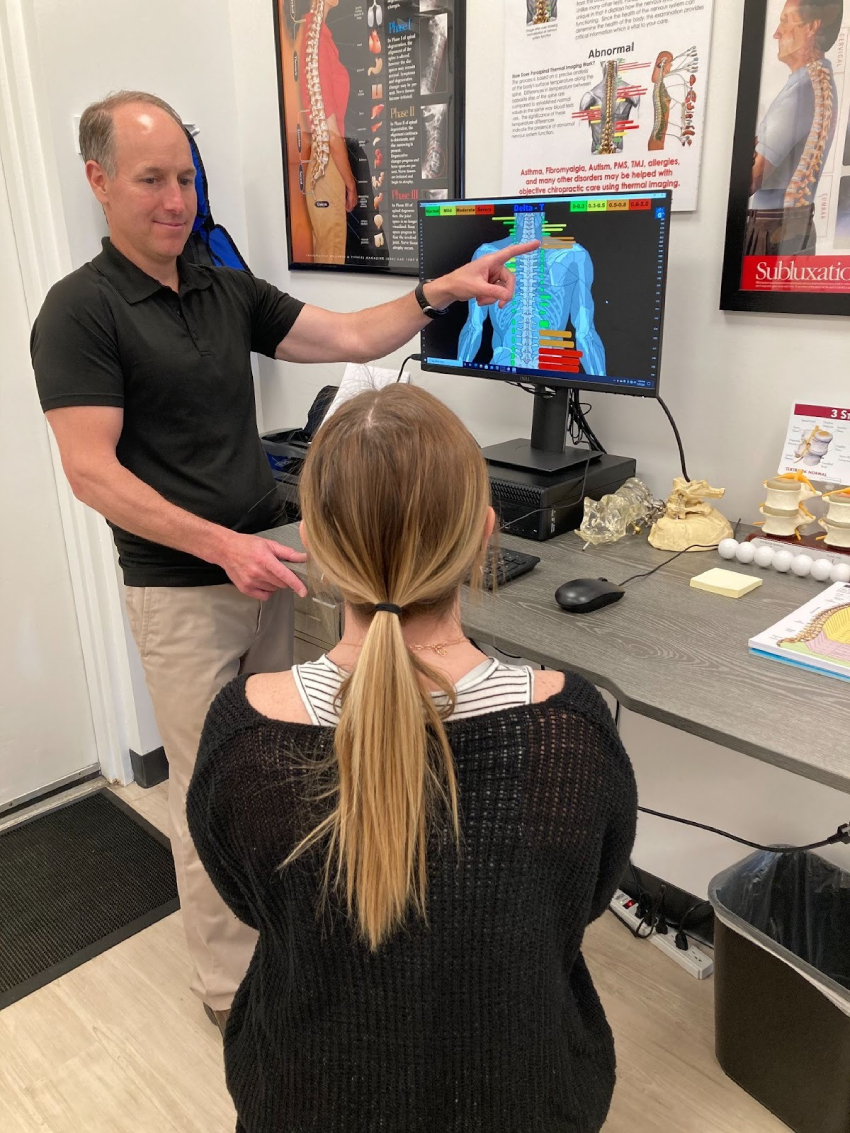
The nervous system coordinates hormone signaling, stress response, sleep cycles, and immune communication.
Chiropractic care supports:
- Brain-body communication
- Stress adaptation
- Sleep regulation
- Muscle recovery and mobility
- Overall resilience during times of physiological change
Many women find they recover from stress more efficiently and sleep more consistently when nervous system function is supported.
Menopauseand Perimenopause FAQs
Can perimenopause affect bone density?
Yes. As estrogen levels decline, bone breakdown can occur faster than bone rebuilding. This increases the risk of low bone density and osteoporosis over time. Weight-bearing exercise, adequate protein intake, vitamin D, and mineral support play an important role in protecting long-term bone health.
Does perimenopause increase the risk of heart disease?
It can. Estrogen helps support blood vessel flexibility and healthy cholesterol patterns. As levels shift, some women notice changes in blood pressure, LDL cholesterol, and abdominal weight distribution. These factors may increase long-term cardiovascular risk if not addressed through diet, movement, and metabolic support.
Can perimenopause cause anxiety or panic attacks?
Yes. Hormone fluctuations affect serotonin and stress hormone regulation. Some women experience new or worsening anxiety, racing thoughts, or panic-like symptoms during perimenopause. If anxiety interferes with daily life, sleep, or relationships, a medical evaluation is recommended.
Why do hot flashes happen during perimenopause?
Hot flashes occur because fluctuating estrogen levels affect the brain’s temperature regulation center. The body may misinterpret normal temperature changes as overheating. This triggers sudden heat, flushing, and sweating. Episodes can last seconds or several minutes and vary in intensity.
Can perimenopause cause joint pain?
Yes. Estrogen plays a role in supporting connective tissue and reducing inflammation. As hormone levels shift, some women experience stiffness, achiness, or slower muscle recovery. Regular movement, strength training, and anti-inflammatory nutrition may help reduce discomfort.
Can perimenopause affect cholesterol levels?
It can. Lower estrogen levels are associated with increases in LDL cholesterol and changes in HDL levels. These shifts may contribute to higher cardiovascular risk over time. Monitoring lipid panels and supporting metabolic health becomes more important during the menopause transition.
What happens if perimenopause starts before age 40?
Perimenopause before age 40 may signal premature ovarian insufficiency or early menopause. This can increase long-term risks for bone loss and heart disease. Evaluation by a healthcare provider is important to determine underlying causes and discuss appropriate management.
Get Perimenopause Support in Colorado With The Wellness Way

At The Wellness Way, we do not view perimenopause as something to simply endure. We see it as a physiological transition that may require support across multiple systems. Our approach focuses on evaluating hormone metabolism, stress response, metabolic function, inflammation, sleep quality, and nervous system regulation to help the body adapt more efficiently during this phase.
If you are experiencing irregular cycles, mood shifts, sleep disruption, or other perimenopause symptoms and are looking for a systems-based approach in Colorado, contact us to schedule an appointment and begin a personalized plan designed to support your long-term health and resilience.